Natural Supplements: Understanding Their Role in Wellness

An informational guide to natural ingredients and their traditional uses across cultures

Fresh ginger root and turmeric

Turmeric and Ginger

Turmeric and ginger are widely used ingredients in culinary traditions across Asia, known for centuries for their applications in cooking and traditional wellness practices. Turmeric contains curcumin, while ginger is valued for its aromatic compounds.

In traditional practices, these ingredients have been incorporated into daily routines and dietary approaches. Modern wellness communities often explore their potential roles in supporting general wellness and maintaining bodily balance as part of comprehensive lifestyle approaches.
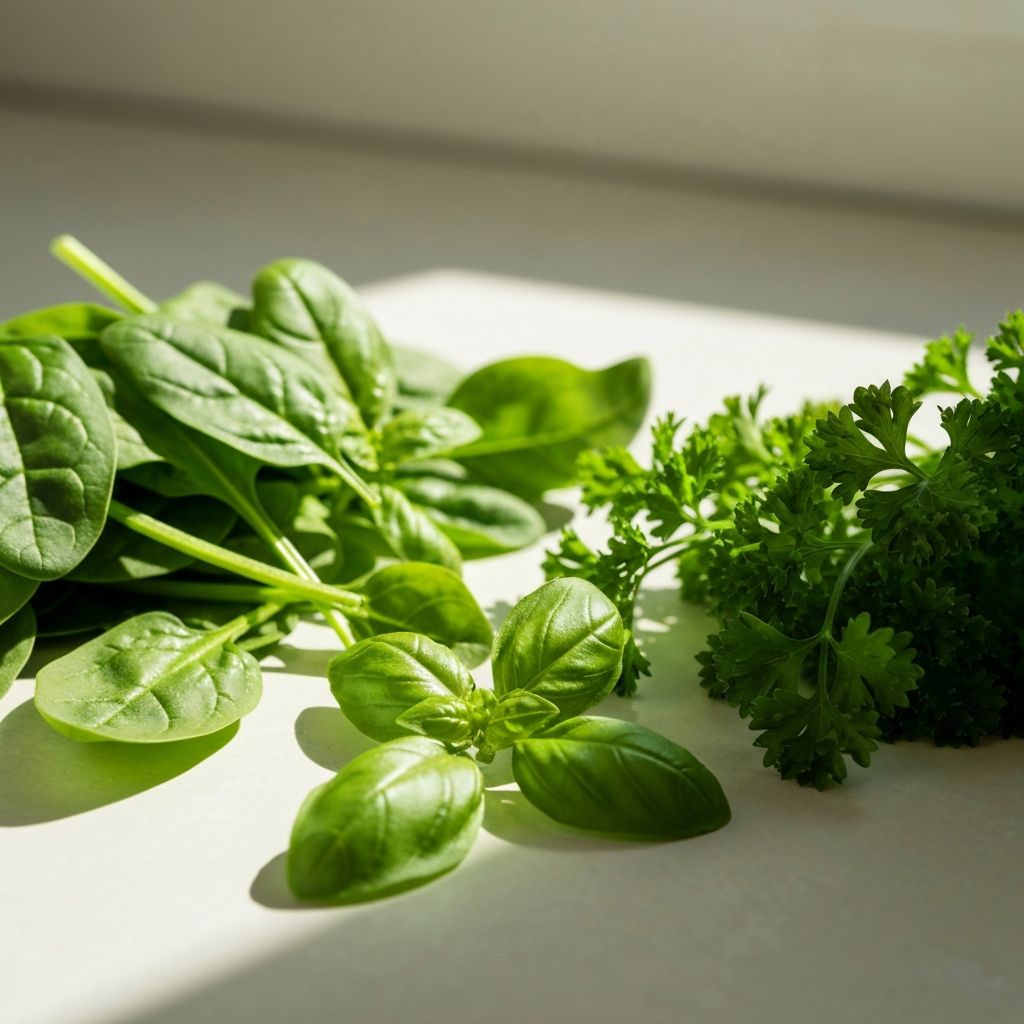
Fresh green herbs and vegetables

Leafy Greens and Fresh Herbs

Nutrient-dense leafy greens and fresh herbs have formed the foundation of healthy eating across cultures for centuries. These plants are rich in vitamins, minerals, and phytochemicals that support overall nutritional intake.

Spinach, basil, parsley, and kale are celebrated not only for their nutritional density but also for their versatility in culinary applications. Incorporating a variety of fresh, whole plant foods into daily meals is a cornerstone of balanced nutrition approaches.

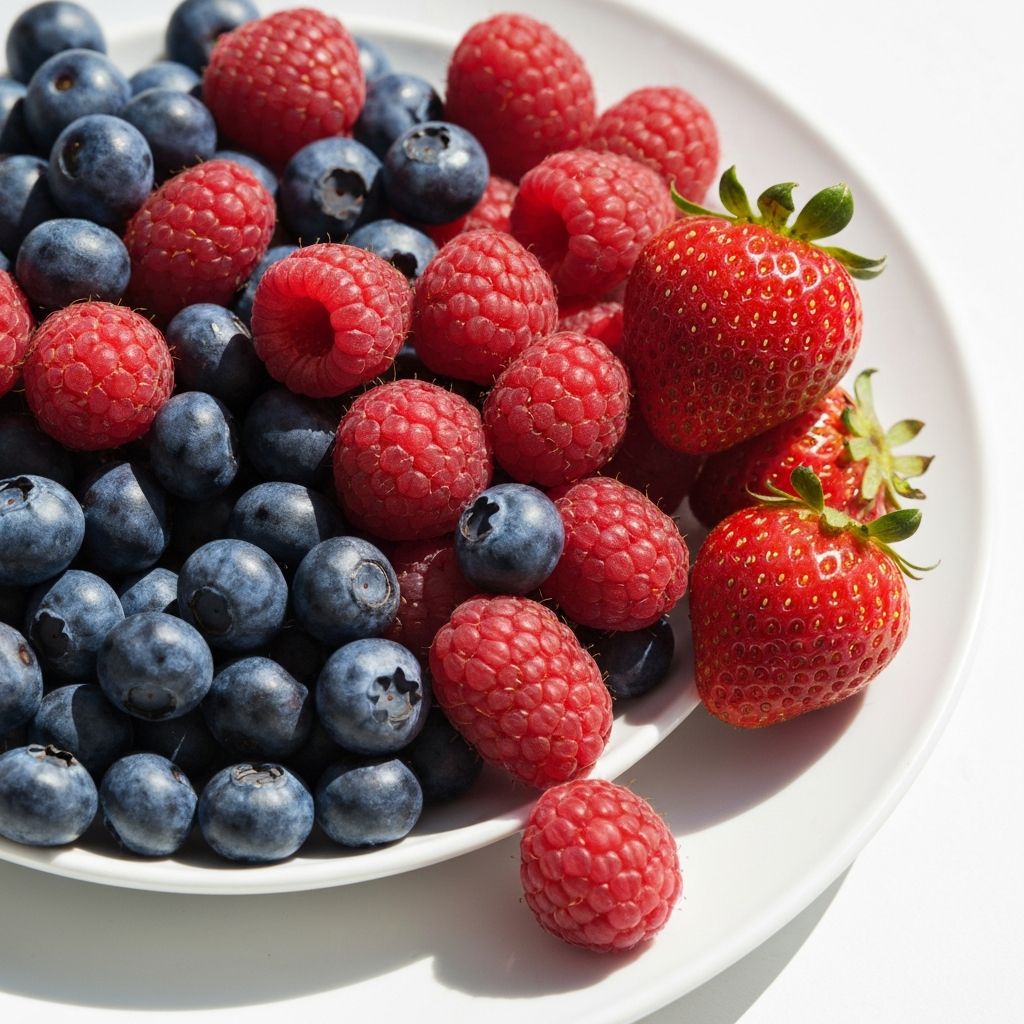
Array of fresh berries

Antioxidant-Rich Berries

Berries are celebrated worldwide for their dense nutritional profile, containing anthocyanins and other beneficial plant compounds. Blueberries, raspberries, strawberries, and blackberries have been part of traditional diets and modern wellness approaches.

These fruits are recognized for their potential to support overall health through their natural composition of vitamins, fiber, and polyphenols. They represent an accessible way to incorporate plant-based nutrition into daily eating patterns.

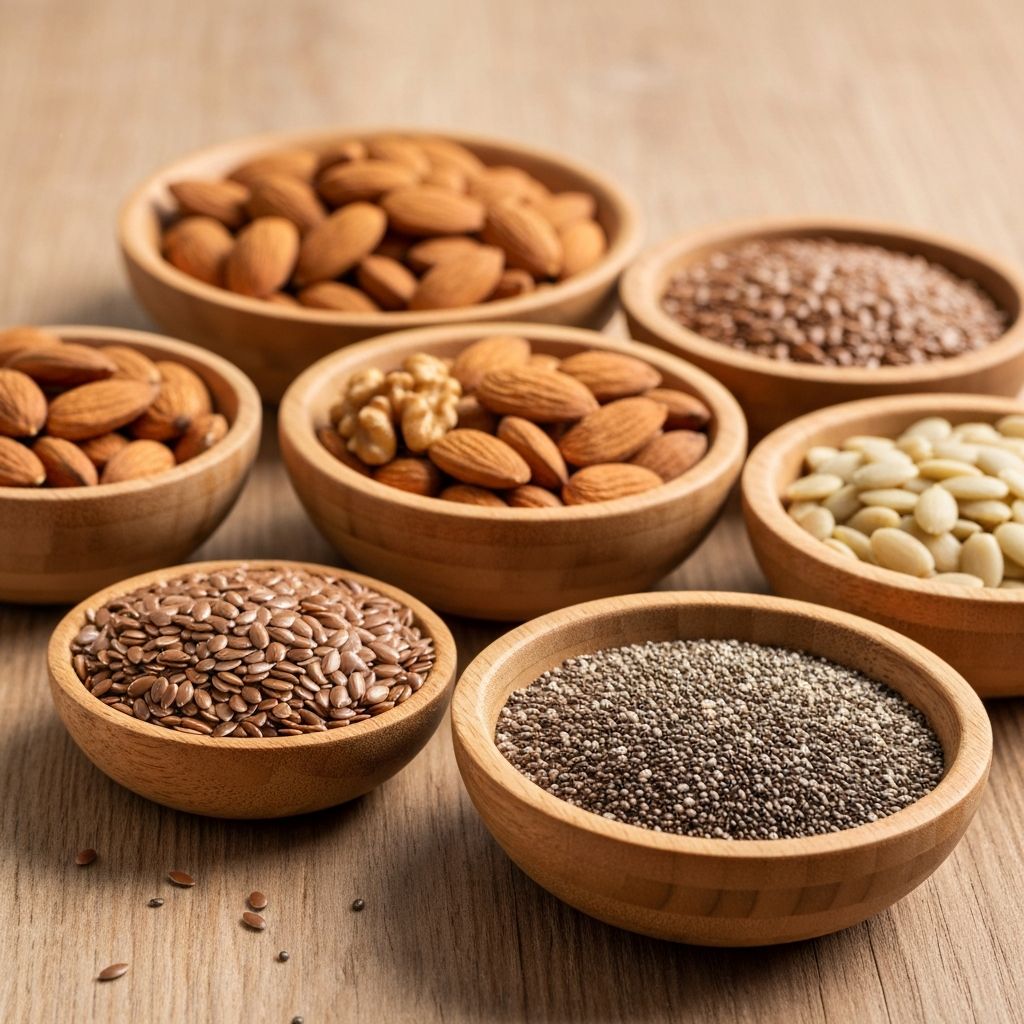
Nuts and seeds in bowls

Nuts and Seeds

Almonds, walnuts, flax seeds, and chia seeds have long been valued in nutritional approaches for their richness in healthy fats, proteins, and minerals. These plant-based foods provide essential nutrients that support sustained energy and bodily functions.

Nuts and seeds can be incorporated into meals to enhance nutritional density and support satiety. They represent versatile additions to balanced eating approaches and are recognized across wellness communities for their nutritional contributions.

Herbal tea with fresh herbs

Herbal Tea Blends

Herbal teas have been central to wellness traditions globally, with chamomile, green tea, peppermint, and rooibos being particularly valued. These beverages combine hydration with the beneficial compounds found in medicinal plants.

The practice of brewing and consuming herbal teas represents a gentle, accessible way to engage with plant-based wellness support. Many cultures maintain rich traditions around tea consumption as both a daily practice and a wellness ritual.

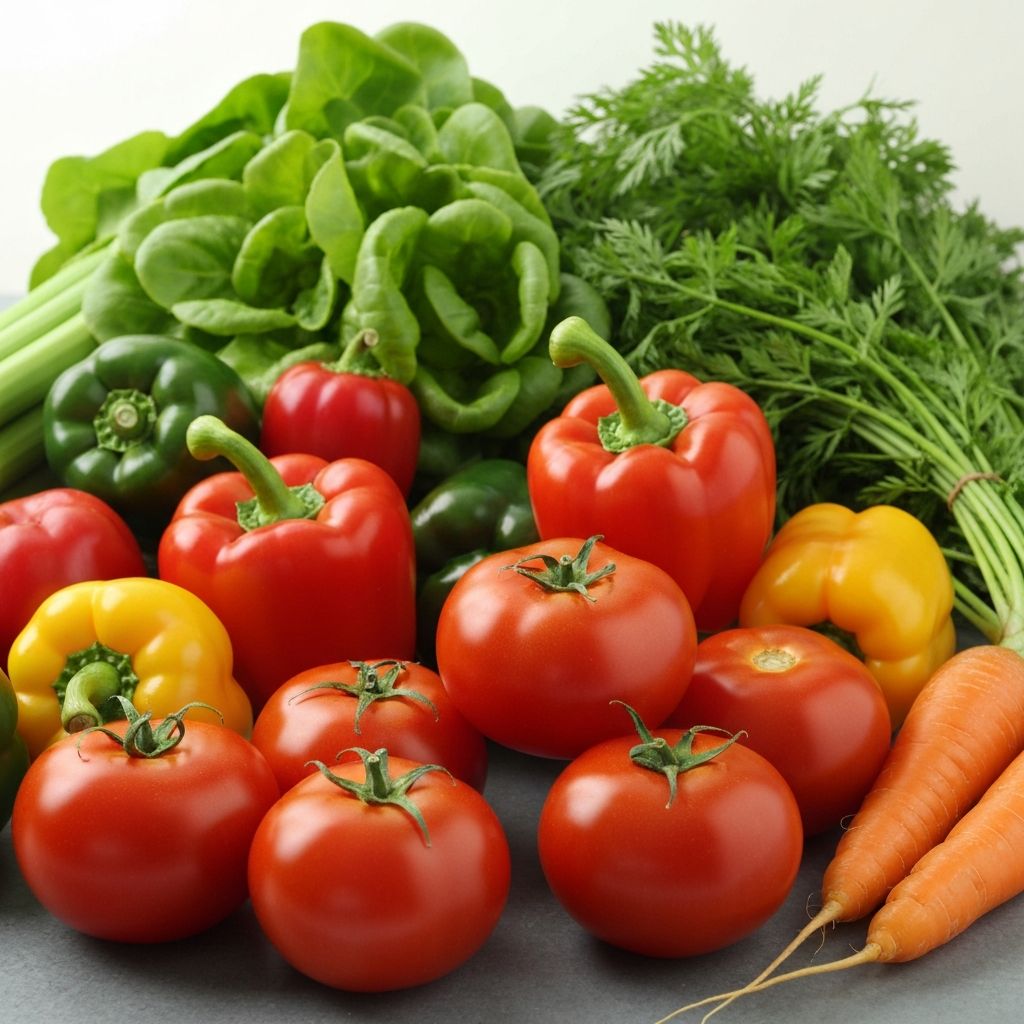
Fresh vegetables and produce

Whole Produce and Seasonal Foods

Seasonal vegetables and fruits form the nutritional foundation of balanced eating approaches. Tomatoes, peppers, carrots, and leafy greens provide diverse micronutrients and fiber essential for supporting bodily functions and overall health.

Consuming a variety of colorful, whole produce supports nutritional diversity and aligns eating practices with natural seasonal availability. This approach is both nutritionally sound and environmentally conscious, connecting us to natural food cycles.

Important Information

This catalog provides informational content about natural ingredients and their traditional uses. This information is educational and is not intended to make health claims, provide medical advice, or recommend specific treatments.

Individual responses to supplements and natural ingredients vary significantly based on personal health status, medications, allergies, and other factors. Before adding supplements to your wellness routine, especially if you have health conditions or take medications, consult with a qualified healthcare provider.